
CO₂ Compensation with Aventura do Brasil
Travellers can compensate for their CO₂ emissions by sponsoring the planting and maintenance of native trees in the private reserve RPPN Itororó. Rather than relying on external offset schemes, we have chosen to implement our own CO₂ compensation program to ensure full transparency, methodological clarity, and traceability of impacts.
The amount is determined through a calculation of CO₂ emissions generated by each trip, considering travel routes, modes of transportation, accommodation, and included activities. All necessary information is obtained through the itinerary planning process, allowing an accurate and transparent assessment.
Example calculation for a 14-day trip to Brazil
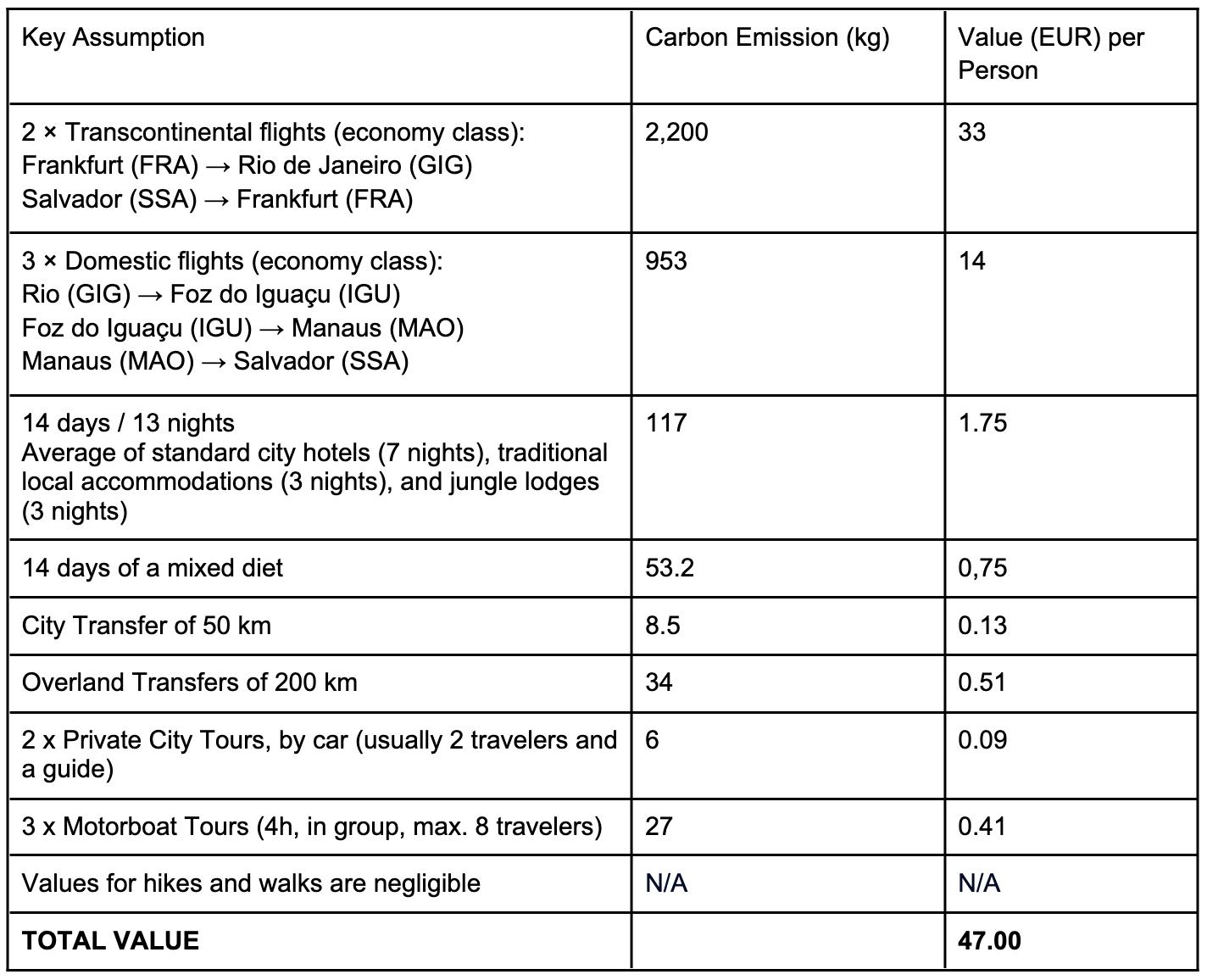
The calculation includes major emission sources such as transportation, accommodation, and food. Minor elements (e.g. walking, small activities, infrastructure) are considered negligible and are not included. Accommodation, private tours and transfers are calculated on a per-person basis assuming shared use (2 travelers).
RPPN Itororó Restoration & CO₂ Compensation Program
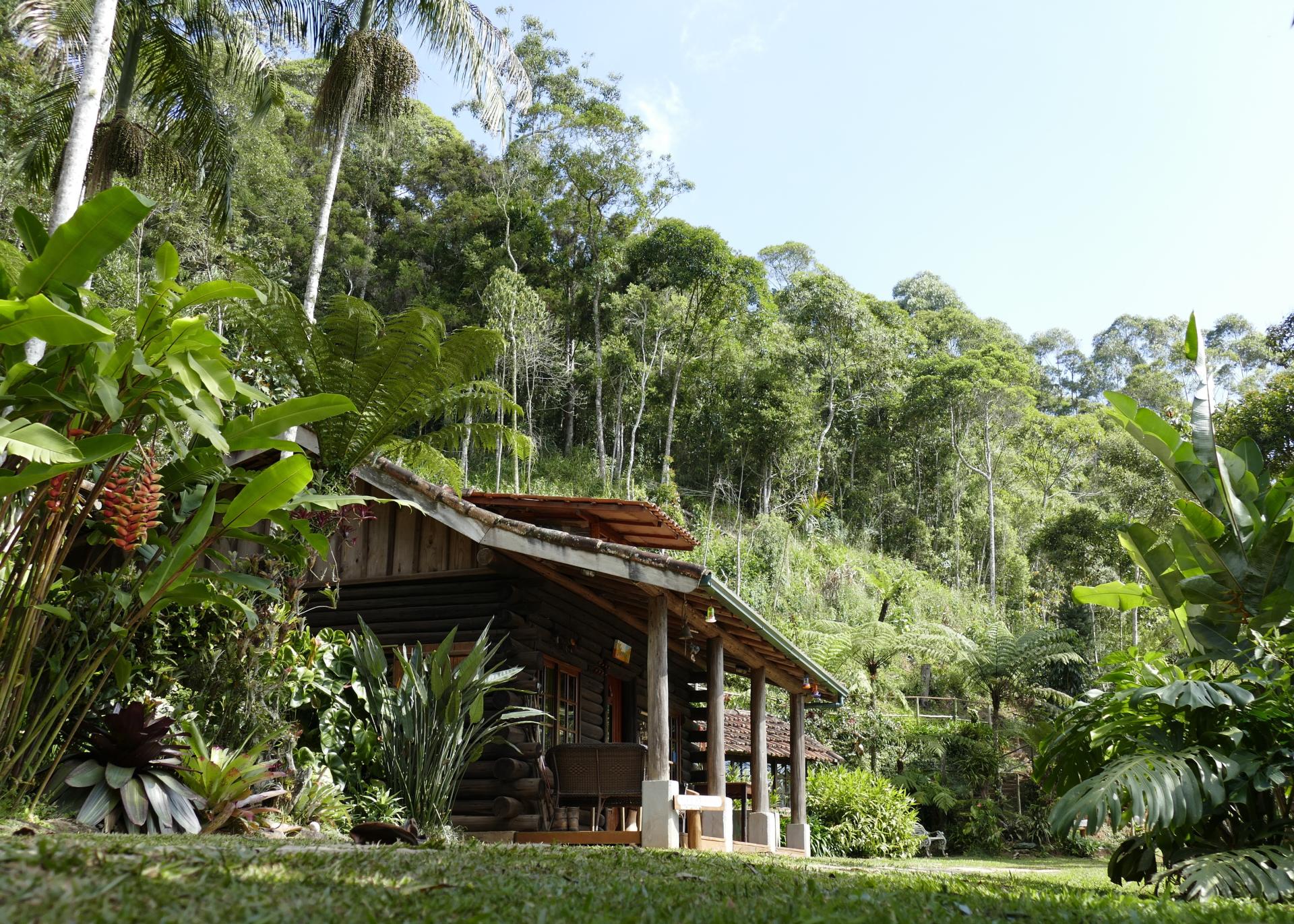
RPPN Itororó is a 10-hectare Private Natural Heritage Reserve (Reservas Particulares do Patrimônio Natural) in the mountainous region of Nova Friburgo, a biodiversity hotspot in Brazil’s famed Atlantic Rainforest. The reserve’s mission is rooted in preserving and restoring native ecosystems, promoting environmental education, and offering opportunities for responsible travel and climate action. It is part of the land of the Eco lodge Itororó, which is already an example of sustainable and nature-based tourism in Brazil. Travellers are welcome to visit the reserve and directly experience the reforestation efforts, observe tangible results in the landscape, and, if they wish, actively participate by accompanying the planting activities or planting a native tree themselves. Seedlings are obtained from a certified local nursery that produces native Atlantic Forest species.
How many tons of CO2 can be absorbed per year of 10 hectares of protected Atlantic Rainforest?
To calculate the CO₂ absorption for 10 hectares of restored and protected Atlantic Rainforest (Mata Atlântica), we need to consider some key factors such as forest composition, type and age, biomass growth rate, carbon stock baseline and leakage risk among others.
Typical values for the Atlantic Rainforest vary between 5 to 12 tons of CO₂ per hectare per year for restored forest, and 10 to 20 tons of CO₂ per hectare per year for mature primary forest.
In the case of RPPN Itororó, a standard estimate of 10 tons of CO₂ absorbed per hectare per year is applied. Therefore, approximately 100 tons of CO₂ can be absorbed annually by the 10 hectares of restored and protected Atlantic Rainforest.
The value attributed to each ton of CO₂ is not determined solely by the volume of carbon sequestered, but also by the quality, integrity, and co-benefits associated with the conservation effort. These include the level of community engagement and social activities linked to forest stewardship, the implementation of fire prevention and fire management strategies, the execution of forest inventories and biodiversity assessments, and the use of robust monitoring tools and methodologies, such as remote sensing, field verification, and transparent data reporting. Additional value is generated through contributions to biodiversity conservation, watershed protection, climate resilience, local capacity building, and long-term permanence of the forest. Together, these elements increase the environmental and social credibility of the carbon benefits and can significantly influence the perceived and market value of each ton of CO₂.
The main specific objectives of the project of RPPN Itororó
1- Restoring degraded land through native reforestation
Plant and monitor native tree species to restore a functional ecosystem adapted to the Atlantic Rainforest. Care is taken to ensure biodiversity, long-term tree survival, and natural regeneration.
2 - Replacing monoculture pine areas with biodiverse native forest
Large sections of exotic pine and eucalyptus trees are gradually removed to make space for native species, improving biodiversity, soil health, and habitat conditions.
3 - Creating ecological corridors connected to nearby protected areas
The reserve forms part of a vital ecological corridor, connecting directly to the 65,000-hectare Três Picos State Park
4 - Engaging travelers and the community in nature-based learning and CO₂ compensation
Visitors have the opportunity to explore reforested areas, plant native trees, and learn about the challenges, responsibilities, and importance of restoring and protecting the Atlantic Rainforest. Local school groups and visiting families can also “adopt” a native seedling, give it a name, and follow its growth over time — fostering long-term connection, environmental awareness, and active participation in conservation.
Measuring Impact
The impact of the project is monitored through key ecological and community indicators, such as number of trees planted, amount of hectares of restored area, tons of CO₂compensated, numbers of students involved and number of species recorded.
Preserve the Atlantic Rainforest: Why It Matters
The Atlantic Rainforest is one of the most biodiverse ecosystems on Earth, yet only 12% of its original forest cover remains.
The Southamerican Atlantic Rainforest Mata Atlântica is one of the world’s most extraordinary yet endangered rain-forest ecosystems. Stretching along Brazil’s eastern coast and into parts of Paraguay and Argentina, it is celebrated for its tremendous biodiversity and high levels of endemism.
For example, in one hectare more than 400 tree species have been recorded.
Some of its iconic and endangered species include the golden-lion tamarin (mico‑leão‑dourado), various endemic birds and amphibians, and many plant species found nowhere else on Earth. Despite its richness, the forest has suffered severe deforestation and fragmentation. Estimates suggest that only about 12–24% of the original forest cover remains.
Furthermore, research shows that across the period 2010-2020 the forest lost on average around 18,000 hectares per year of mature forest, equivalent to an area the size of Washington D.C. each year.
Because of its biodiversity value and the urgency of its recovery, the Mata Atlântica is recognised as one of the planet’s top biodiversity hotspots
History of RPPN Itororó
The name Itororó comes from the Indigenous Tupi-Guarani language, meaning “little waterfall” or “whisper of the water” — a reflection of the land’s essence and the spirit we aim to preserve.
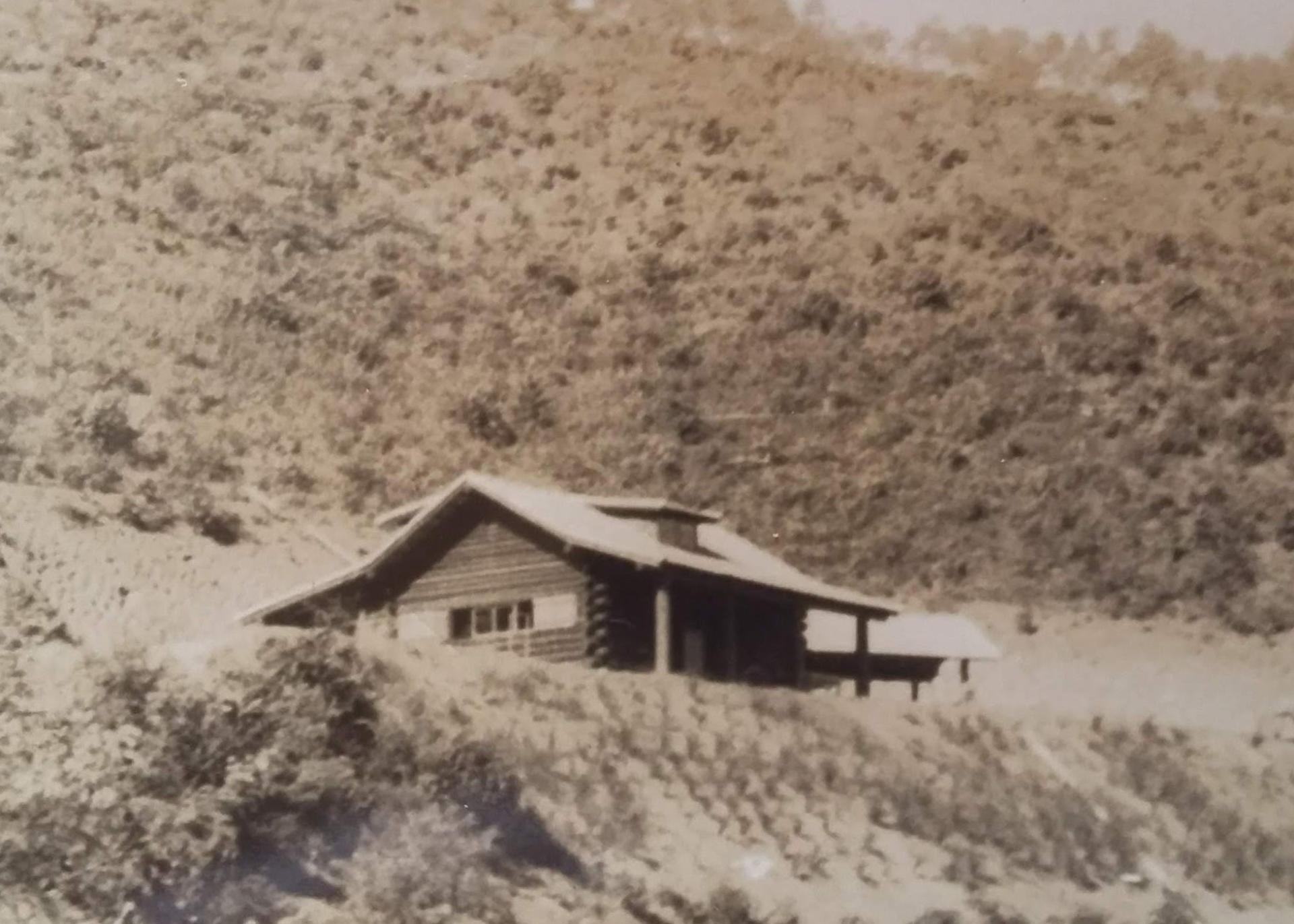
The story began in the early 1960s when Dr. Fritz and Gisela Maria Dungs purchased what is now RPPN Itororó and the Eco Lodge. They inherited a landscape damaged by farming and monocultures of eucalyptus and Japanese pine, planted after clear-cutting native forest to cultivate crops like manioc and corn.
With no electricity and only a rough access road, the site offered a rustic, adventurous life close to nature. Dr. Dungs built a small wooden cabin as a family retreat, sowing the seed for what would become a lifelong legacy. During the same period, Dr. Dungs collaborated with botanist Dr. Guido Pabst to study Brazilian orchids. Their 20-year research led to the publication of Orchidaceae Brasilienses, still considered a reference in orchidology.
In 1998, their son Rainer returned to Brazil to transform Itororó into an eco-lodge and restore the land’s ecological balance. With limited resources but strong dedication, he began reforesting the land and removing invasive trees.
Since then, more than 100,000 m² of Atlantic Rainforest have been restored, creating habitat for over 200 bird species - including 67 endemics - and helping protect clean spring water that now benefits around 8,000 families. The reserve forms part of a vital ecological corridor, connecting directly to the 65,000-hectare Três Picos State Park. In addition, solar energy has supplied approximately 75% of the lodge’s electricity needs since 2022.
RPPN Itororó continues to grow as a sanctuary for plants, animals, and people as a living example of how dedication and regeneration can restore the Atlantic Rainforest.